

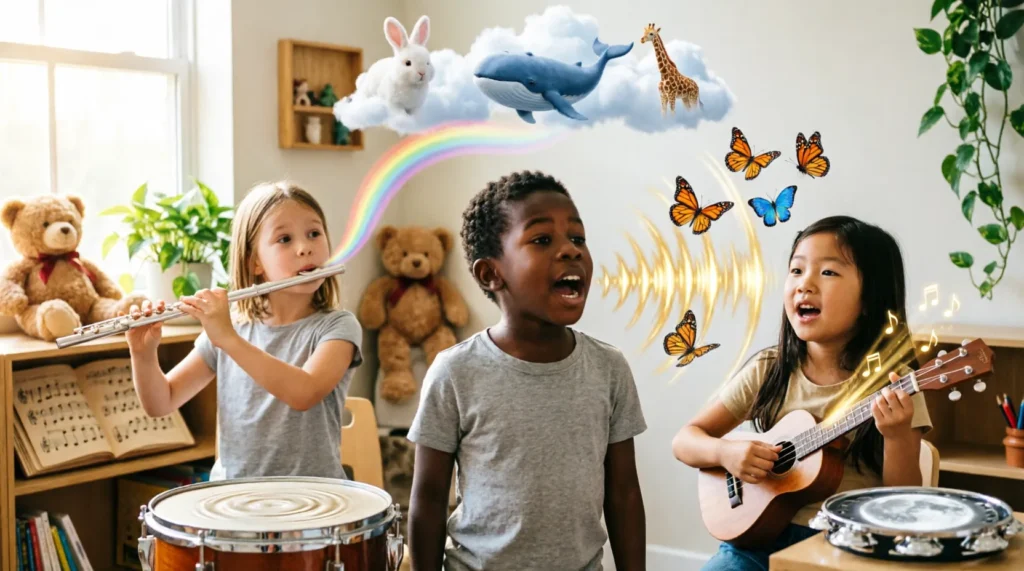
Quick answer: Similes in songs for kids are comparisons using “like” or “as” that help children understand abstract concepts through familiar imagery. They are a powerful educational tool found in nursery rhymes, pop songs, and educational tunes to enhance vocabulary and comprehension.
Similes are one of the most accessible forms of figurative language for young learners because they rely on direct comparison rather than metaphorical substitution. When songwriters use similes in songs for kids, they create bridges between complex emotions or ideas and the concrete world children already know. This technique not only makes lyrics more memorable but also serves as an implicit lesson in language structure and creative thinking.
Understanding how similes function in music can help parents, educators, and caregivers select better learning materials and even encourage children to create their own verses. By recognizing these literary devices, adults can turn casual listening into active learning opportunities that boost linguistic development.
What Is a Simile?
A simile is a figure of speech that directly compares two different things using the words “like” or “as.” Unlike metaphors, which state that one thing is another, similes maintain the distinction between the two elements while highlighting their similarities. According to Wikipedia, this explicit comparison makes similes particularly effective for clarification and emphasis in both written and spoken language.
In the context of children’s music, similes serve multiple purposes. They simplify abstract concepts such as emotions, time, or relationships by linking them to tangible objects or experiences. For example, describing happiness as “bright like the sun” gives a child a visual anchor for an otherwise intangible feeling. This cognitive scaffolding is essential for early language acquisition and emotional intelligence development.
Songs, by their nature, are structured to be repetitive and rhythmic, which enhances memory retention. When similes are embedded within these musical frameworks, they become even more sticky. Children may not consciously identify the literary device, but they internalize the pattern of comparison, which later supports their reading comprehension and creative writing skills. As noted in discussions about songs, the lyrical content often drives the educational value of musical pieces, especially in early childhood contexts.
Why Similes Work So Well in Children’s Music
The effectiveness of similes in songs for kids stems from several psychological and pedagogical factors. First, children think concretely. Their cognitive development stages, particularly in the pre-operational phase described by Piaget, rely heavily on physical objects and visible actions. Abstract ideas like “love,” “bravery,” or “sadness” are difficult to grasp without a reference point. Similes provide that reference point by saying, “Love is like a warm blanket,” instantly translating emotion into sensation.
Second, music engages multiple areas of the brain simultaneously. The rhythm aids memorization, the melody creates emotional resonance, and the lyrics deliver semantic content. When a simile is sung, the combination of auditory patterns and visual imagery creates a dual-coding effect. This means the information is stored in both verbal and visual memory systems, making it easier to recall later.
Third, similes in songs often employ humor or whimsy, which increases engagement. A line like “He runs like a chicken with its head cut off” might be silly, but it vividly conveys chaos and speed. Children enjoy the absurdity, which keeps them listening and repeating the lyrics. This repetition is crucial for language mastery, as it reinforces syntax and vocabulary through natural exposure rather than rote drilling.
Common Examples of Similes in Popular Kids’ Songs
Many classic and contemporary children’s songs rely on similes to drive their narratives. Recognizing these examples can help adults point out literary devices during listen-along sessions.
“You Are My Sunshine”
While primarily a metaphor, this song contains comparative elements that function similarly. However, a clearer example is found in songs like “Twinkle, Twinkle, Little Star,” where the star is compared to a diamond in the sky. Though often interpreted as a metaphor, the phrasing “like a diamond” appears in many variations, explicitly using simile structure to describe brightness and value.
“The Itsy Bitsy Spider”
This nursery rhyme doesn’t use explicit similes, but modern adaptations often add verses such as “The rain came down like a waterfall,” helping children visualize the intensity of the storm. Educators frequently modify traditional rhymes to include such comparative language to enhance descriptive skills.
Educational Tunes from Sesame Street and Disney
Sesame Street has long used similes in its educational segments. For instance, songs about counting might compare numbers to steps on a ladder: “Counting up is like climbing high.” Disney films also feature prominent similes in their soundtracks. In The Lion King, the concept of the Circle of Life is explained through comparisons to natural cycles, though often metaphorically. However, simpler songs in Disney Junior series frequently use lines like “Friends stick together like glue,” providing clear, relatable comparisons for preschoolers.
Contemporary Pop-Influenced Kids’ Music
Artists like Jack Johnson or Raffi often incorporate gentle similes in their lyrics. Raffi’s “Baby Beluga” includes imagery that compares the whale’s movement to dancing, helping children imagine grace and fluidity. These subtle comparisons enrich the listening experience without overwhelming young audiences with complex poetry.
How to Identify Similes in Lyrics
Identifying similes in songs for kids requires listening for specific trigger words: “like” and “as.” However, not every use of these words constitutes a simile. For a true simile, there must be a comparison between two unlike things that share a common characteristic.
Steps to identify similes:
- Listen for “like” or “as”: These are the primary markers.
- Check for comparison: Ensure two distinct entities are being linked. “She sings like an angel” is a simile; “She likes singing” is not.
- Look for shared traits: Determine what quality is being highlighted. In “fast as a cheetah,” the shared trait is speed.
Parents can practice this by pausing songs and asking questions. “What is the singer comparing? Why did they choose that object?” This interactive approach turns passive listening into active critical thinking.
Teaching Tips for Parents and Educators
Using similes in songs for kids as a teaching tool requires intentional engagement. Here are practical strategies to maximize learning outcomes:
- Create a Simile Hunt: Give children a checklist of songs to listen to. Ask them to raise their hand or clap when they hear a comparison using “like” or “as.” This gamifies the learning process.
- Draw the Comparison: After hearing a simile like “eyes like stars,” have children draw what they imagine. This reinforces the visual component of the literary device and checks for comprehension.
- Write Your Own Verses: Encourage children to rewrite a favorite song verse using a new simile. If the original says “happy as a clam,” ask them to come up with “happy as a puppy.” This builds creative confidence and vocabulary flexibility.
- Discuss the Why: Ask why the songwriter chose a specific comparison. Why “strong as an ox” instead of “strong as a mouse”? This leads to discussions about cultural associations and physical attributes.
The Role of Similes in Emotional Development
Beyond language skills, similes in songs for kids play a crucial role in emotional literacy. Children often struggle to name their feelings. Similes provide a vocabulary for these internal states.
When a song describes sadness as “heavy like a wet coat,” it gives a child a physical sensation to associate with the emotion. This somatic mapping helps them recognize and regulate their feelings. Similarly, describing anger as “hot like fire” warns of the potential for destruction while acknowledging the intensity of the feeling.
By exposing children to a variety of emotional similes in music, adults help them build a nuanced emotional palette. Instead of just “mad” or “sad,” they learn to distinguish between “frustrated like a tangled knot” and “disappointed like a deflated balloon.” This precision in language leads to greater empathy and self-awareness.
Common Misconceptions About Similes in Children’s Literature
One common misconception is that similes are too complex for very young children. In reality, toddlers understand comparison naturally. When a child says, “My toy is broken like your cookie,” they are using a simile instinctively. Songs simply formalize this innate cognitive process.
Another misconception is that all comparisons in songs are similes. Many are metaphors, which are more abstract. While metaphors have their place, similes are generally more accessible for early learners because they retain the literal truth of both elements. It is important for educators to distinguish between the two to provide age-appropriate explanations.
Frequently Asked Questions
What is the difference between a simile and a metaphor in kids’ songs? A simile uses “like” or “as” to compare two things (e.g., “brave as a lion”), while a metaphor states one thing is another (e.g., “you are my sunshine”). Similes are often easier for young children to understand because the comparison is explicit.
At what age can children understand similes in songs? Children as young as three or four can begin to grasp simple similes, especially when accompanied by visual cues or actions. By age six or seven, most children can identify and create their own similes with guidance.
Are there any songs specifically designed to teach similes? While few songs are exclusively about similes, many educational programs like Schoolhouse Rock! or WordWorld include episodes or tracks that focus on figurative language. Additionally, teachers often adapt popular nursery rhymes to include explicit simile examples for classroom instruction.
Why do songwriters use similes instead of just saying what they mean? Songwriters use similes to create vivid imagery, evoke emotion, and make lyrics more memorable. Direct statements can be flat, whereas comparisons engage the listener’s imagination and help convey complex feelings in a relatable way.

Nathan Williams is a seasoned editor and writer with a passion for the subtleties of the English language. With a degree in English from NYU and more than 12 years of editorial experience, he has honed his expertise in spelling accuracy and the comparison of often-misused words. Nathan’s foray into language analysis was sparked by his desire to help others communicate more effectively and avoid common pitfalls in writing. At WordCompareHub, he crafts comprehensive guides and articles that discuss word usage distinctions and provide effective spelling strategies. Nathan is driven by the belief that clarity in language is key to effective communication. In his leisure time, he enjoys crosswords and participates in local word games, continually expanding his lexicon and sharpening his linguistic skills.