

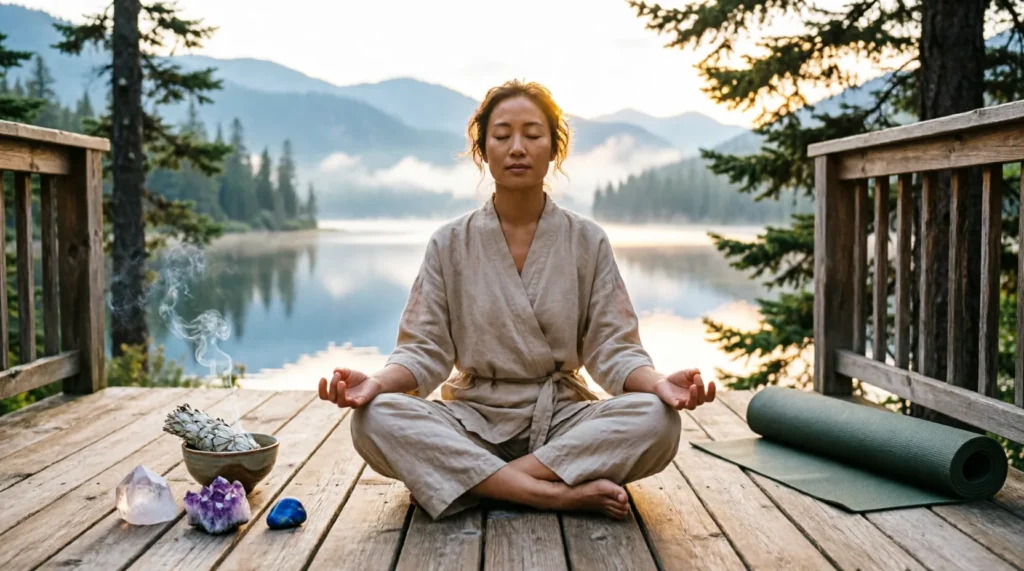
Quick answer: Holistic therapies in addiction treatment address the whole person—mind, body, and spirit—rather than just the substance use itself. They are most effective when integrated with evidence-based medical and psychological care, not used as standalone replacements for detoxification or clinical therapy.
Addiction is a complex, chronic disease that affects every aspect of an individual’s life. For decades, the standard approach to treating addiction focused primarily on abstinence and behavioral modification. While these methods remain foundational, there is a growing recognition that lasting recovery requires more than just stopping substance use. This is where holistic therapies come into play. By incorporating practices such as yoga, meditation, acupuncture, and nutritional counseling, treatment centers aim to heal the underlying imbalances that often contribute to addictive behaviors. Understanding how these complementary approaches work alongside traditional medicine is crucial for anyone seeking a sustainable path to sobriety.
What Are Holistic Therapies?
The term “holistic” derives from the concept of holism, which suggests that systems should be viewed as wholes, not just as a collection of parts. In the context of healthcare, this means treating the entire person rather than just the symptoms of a disease. Therapies classified as holistic often include alternative or complementary practices that have roots in ancient healing traditions but are increasingly supported by modern scientific research.
In addiction recovery, holistic therapies do not replace medical detox or psychotherapy. Instead, they serve as vital adjuncts that help manage stress, reduce cravings, repair physical damage caused by substance abuse, and provide new coping mechanisms. The goal is to restore balance to the body’s natural systems, which are often severely disrupted by long-term drug or alcohol use.
The Core Pillars of Holistic Addiction Treatment
Holistic treatment programs typically rest on four main pillars: physical health, mental emotional well-being, spiritual connection, and social support. Each pillar addresses specific deficits created by addiction.
Physical Restoration
Substance abuse takes a toll on the body. Poor nutrition, sleep deprivation, and organ damage are common among those struggling with addiction. Holistic physical therapies focus on repairing this damage through:
- Nutritional Counseling: Many individuals with addiction suffer from severe vitamin and mineral deficiencies. Customized meal plans help restore energy levels and improve brain function.
- Exercise and Movement: Regular physical activity releases endorphins, the body’s natural feel-good chemicals, which can help counteract the dopamine deficits caused by drug use.
- Acupuncture: This traditional Chinese medicine practice involves inserting thin needles into specific points on the body. It has been shown to reduce withdrawal symptoms, anxiety, and cravings.
Mental and Emotional Healing
Addiction is often a symptom of unresolved trauma, anxiety, or depression. Holistic mental health practices offer non-pharmaceutical ways to process emotions and develop mindfulness.
- Meditation and Mindfulness: These practices teach individuals to stay present and observe their thoughts without judgment. This skill is critical for recognizing triggers and resisting impulses.
- Art and Music Therapy: Creative expression allows patients to process difficult emotions that may be too painful to articulate verbally.
- Biofeedback: This technique uses electronic monitoring to convey information about physiological processes, helping patients learn how to control bodily functions such as heart rate and muscle tension.
Spiritual Connection
Spirituality in recovery does not necessarily mean religion. It refers to a sense of purpose, connection to something greater than oneself, and inner peace.
- Yoga: Combining physical postures, breathing exercises, and meditation, yoga helps reconnect the mind and body. It promotes relaxation and reduces stress hormones like cortisol.
- Nature Therapy: Spending time in nature, also known as ecotherapy, has been proven to lower stress levels and improve mood. Many rehab centers incorporate hiking or outdoor activities into their programs.
Social and Community Support
Recovery is rarely a solitary journey. Holistic programs emphasize building healthy relationships and community ties.
- Group Therapy: While part of traditional treatment, holistic groups may focus on shared activities like cooking classes or group meditation, fostering connection through shared experience rather than just discussion.
- Family Therapy: Educating and involving family members helps repair relationships damaged by addiction and creates a supportive home environment.
Scientific Evidence Supporting Holistic Approaches
While some critics dismiss holistic therapies as “new age” fluff, a growing body of research supports their efficacy. For instance, studies have shown that mindfulness-based relapse prevention (MBRP) significantly reduces the risk of relapse compared to standard care alone. Similarly, acupuncture has been recognized by the National Institute on Drug Abuse as a useful tool for managing withdrawal symptoms and cravings.
The integration of these therapies aligns with the biopsychosocial model of addiction, which views substance use disorders as resulting from a combination of biological, psychological, and social factors. By addressing all three areas, holistic treatment offers a more comprehensive solution than medication or therapy alone.
Common Holistic Modalities Explained
To better understand what to expect in a holistic rehab program, here is a breakdown of some of the most common modalities:
| Modality | Primary Benefit | How It Helps Addiction |
|---|---|---|
| Yoga | Stress reduction, physical strength | Improves body awareness, reduces anxiety, and provides a healthy routine. |
| Meditation | Mental clarity, emotional regulation | Enhances impulse control and helps manage cravings through mindfulness. |
| Acupuncture | Pain relief, balance restoration | Alleviates withdrawal symptoms and reduces the physiological urge to use. |
| Massage Therapy | Relaxation, tension release | Reduces stress and helps repair the physical tension stored in the body. |
| Nutritional Therapy | Physical healing, energy boost | Corrects deficiencies that affect mood and cognitive function. |
| Art/Music Therapy | Emotional expression, trauma processing | Provides non-verbal outlets for processing deep-seated emotional pain. |
Integrating Holistic Therapies with Traditional Treatment
It is crucial to emphasize that holistic therapies are most effective when used as part of an integrated treatment plan. Detoxification, for example, is a medical process that often requires medication to ensure safety. No amount of yoga or acupuncture can replace the need for medical supervision during acute withdrawal from alcohol or benzodiazepines.
Similarly, cognitive-behavioral therapy (CBT) and dialectical behavior therapy (DBT) provide essential tools for changing thought patterns and behaviors. Holistic practices complement these therapies by providing the physical and emotional stability needed to engage fully in the psychological work.
A typical day in a holistic rehab center might look like this:
- Morning: Yoga session followed by a nutritious breakfast.
- Mid-Morning: Group therapy or CBT session.
- Afternoon: Individual counseling, art therapy, or acupuncture.
- Evening: Meditation, journaling, or a support group meeting.
This structured yet varied schedule keeps patients engaged and addresses multiple aspects of their well-being simultaneously.
Who Benefits Most from Holistic Therapies?
While anyone in recovery can benefit from holistic approaches, certain groups may find them particularly helpful:
- Individuals with Co-occurring Disorders: Those suffering from both addiction and mental health issues like anxiety or PTSD often respond well to mindfulness and trauma-informed yoga.
- People with High Stress Levels: Professionals or individuals with high-stress lifestyles may find that meditation and biofeedback provide practical tools for managing pressure without resorting to substances.
- Those Seeking Long-Term Lifestyle Changes: Holistic therapy teaches skills that extend beyond rehab. Learning to cook healthy meals, practice mindfulness, or manage stress through exercise creates a sustainable sober lifestyle.
Potential Challenges and Considerations
Despite the benefits, there are challenges to consider. Not all holistic therapies are covered by insurance, which can make comprehensive treatment expensive. Additionally, the quality of practitioners varies widely. It is essential to choose a reputable treatment center that employs licensed and experienced professionals in each modality.
Another consideration is personal preference. Not everyone enjoys yoga or meditation. A good holistic program will offer a variety of options so that patients can find what resonates with them. Forcing a patient into a practice they dislike can be counterproductive and increase resistance to treatment.
The Future of Holistic Addiction Treatment
As research continues to validate the benefits of mind-body interventions, holistic therapies are becoming more mainstream in addiction treatment. We are likely to see further integration of technology, such as virtual reality for mindfulness training or apps for tracking nutritional and mental health progress.
The shift towards holistic care reflects a broader understanding of addiction as a multifaceted disease requiring a multifaceted solution. By treating the whole person, we not only help individuals stop using substances but also empower them to build fulfilling, healthy lives in recovery.
Frequently Asked Questions
Are holistic therapies a replacement for medical detox? No, holistic therapies are not a replacement for medical detox. Detoxification is a medical process that manages potentially life-threatening withdrawal symptoms. Holistic practices should be used as complementary treatments during and after detox.
Do insurance companies cover holistic therapies? Coverage varies widely by provider and plan. Some insurance plans may cover certain services like acupuncture or yoga if they are deemed medically necessary and provided by licensed professionals within a treatment program. It is best to check with your specific insurance provider.
Can I practice holistic therapies at home after rehab? Yes, many holistic practices such as meditation, yoga, and healthy cooking are designed to be integrated into daily life. Continuing these practices at home is highly recommended for maintaining long-term recovery and preventing relapse.
How long does it take to see results from holistic therapies? Results vary depending on the individual and the specific therapy. Some people report feeling immediate stress relief from a single massage or acupuncture session, while benefits from practices like meditation and nutritional changes may take weeks or months to become fully apparent. Consistency is key.

Nathan Williams is a seasoned editor and writer with a passion for the subtleties of the English language. With a degree in English from NYU and more than 12 years of editorial experience, he has honed his expertise in spelling accuracy and the comparison of often-misused words. Nathan’s foray into language analysis was sparked by his desire to help others communicate more effectively and avoid common pitfalls in writing. At WordCompareHub, he crafts comprehensive guides and articles that discuss word usage distinctions and provide effective spelling strategies. Nathan is driven by the belief that clarity in language is key to effective communication. In his leisure time, he enjoys crosswords and participates in local word games, continually expanding his lexicon and sharpening his linguistic skills.